
The EU Entry/Exit System (EES)
The Entry/Exit System (EES) is the EU's digital border record for visitors from outside the EU. Since 10 April 2026 it has replaced passport stamps at the outer borders of 29 European countries. It takes your fingerprints and a photo on your first entry and counts your 90 days in any 180 for you.
What changed on 10 April 2026
| Before | Now | |
|---|---|---|
| Record of your trip | A stamp in your passport | A digital entry and exit record |
| Taken at the border | Your passport | Your passport, 4 fingerprints and a photo of your face |
| Who counts your 90 days | The border guard, from your stamps | The system, automatically |
| An overstay | Found if someone counts your stamps | Flagged automatically |
The EES started on 12 October 2025 and was brought in at border crossings over six months, with stamps and the new record side by side. Since 10 April 2026 it runs at every outer border crossing, and passports are no longer stamped.
Who it applies to
You're registered if you aren't a citizen of an EU country, Iceland, Liechtenstein, Norway or Switzerland, and you're visiting for a short stay: up to 90 days in any 180. That includes travellers who need a short-stay visa and those who don't, such as people from the UK, the US, Canada and Australia.
Some people aren't registered, for example holders of a residence permit or long-stay visa from one of these countries. The full list of exemptions is on travel-europe.europa.eu.
Where it applies
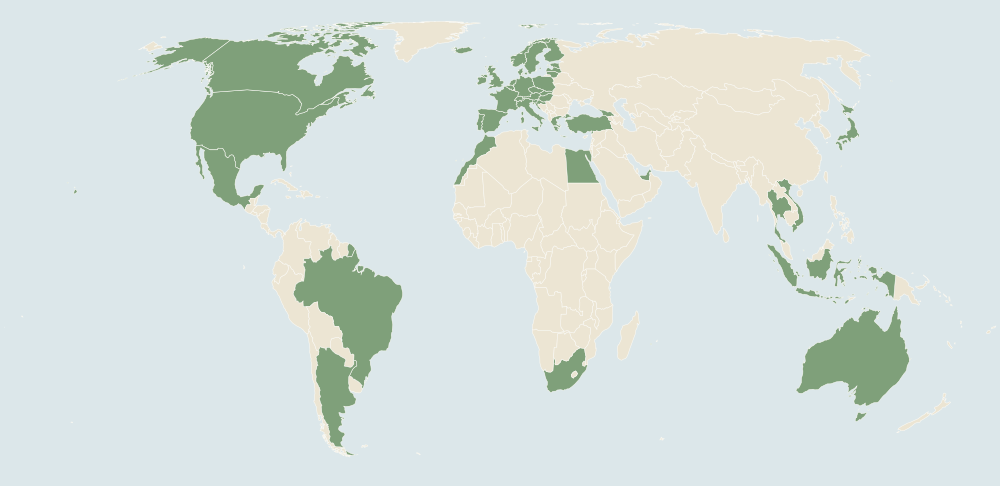
At the outer borders of the 29 Schengen countries: Austria, Belgium, Bulgaria, Croatia, Czechia, Denmark, Estonia, Finland, France, Germany, Greece, Hungary, Iceland, Italy, Latvia, Liechtenstein, Lithuania, Luxembourg, Malta, the Netherlands, Norway, Poland, Portugal, Romania, Slovakia, Slovenia, Spain, Sweden and Switzerland.
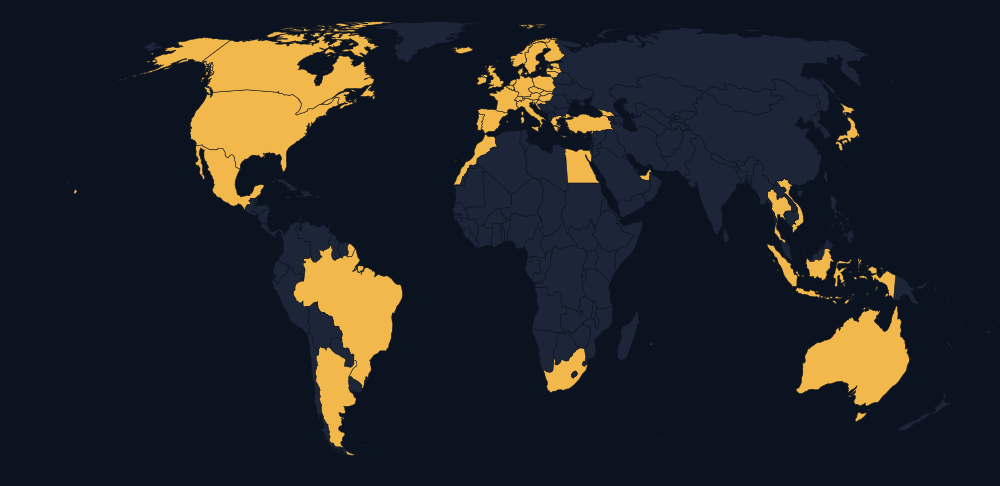
Cyprus and Ireland are in the EU but don't use it, so your passport is still stamped there. See the 29 countries on a map.
What happens at the border
- On your first entry you give your passport, four fingerprints and a photo of your face. If you travel on a visa, only the photo is taken, because your fingerprints are already on file. Children under 12 don't give fingerprints.
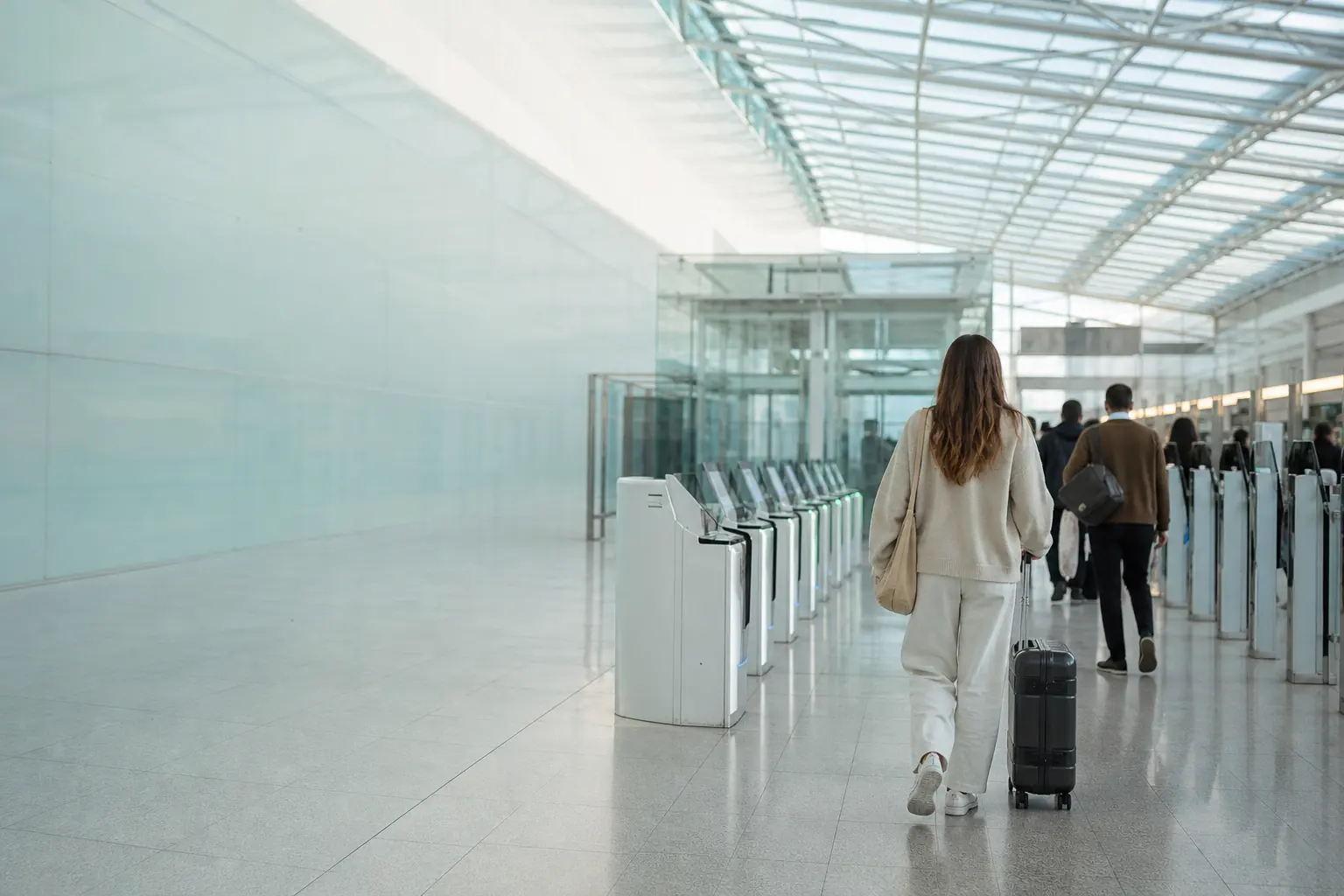
- Some airports and crossings have self-service kiosks for this step. You need a biometric passport, one with a chip, to use them.
- A border guard checks your record and can ask about the purpose of your trip, where you're staying and how you'll pay for it.
- On later trips, your face or fingerprints are matched to the record you already have.
- Each time you leave, the system records your exit date.
You don't need a biometric passport to enter. Other valid passports are still accepted at a staffed desk.
What it records, and for how long
The EES records your passport details, the date and place of each entry and exit, your fingerprints and face photo, and any refusal of entry. Each kind of record is deleted automatically after a set time.
| Record | Kept for |
|---|---|
| Each entry, exit and refusal of entry | 3 years from the day it was recorded |
| Your personal file | 3 years and 1 day from your last exit |
| Your file, if no exit is recorded | 5 years from the day your stay ran out |
How it counts your days
The EES counts your 90 days in any 180 as one total across all 29 countries, and shows the border guard how many days you have left each time you cross.
You can check your own remaining days with the EU's online tool on travel-europe.europa.eu. You'll need your passport number and the date you plan to arrive or leave. Two limits to know:
- It doesn't include time spent in Schengen before 10 April 2026, even a stay that ended after that date. The 90/180 rule still counts those days.
- Until 6 October 2026, its answer could be wrong for holders of single or double-entry visas who used an entry between 12 October 2025 and 9 April 2026.
For questions about your remaining days, contact the authorities of the country where you last entered or left Schengen. To count older trips too, use the Schengen calculator, or read how the 90/180 rule works.
If you overstay
The system marks you as an overstayer and adds you to a list that border guards, immigration officers and visa staff can see. What follows depends on the country: removal, a fine, detention, or a ban on coming back. If you were held up by something you couldn't foresee, such as a stay in hospital, give the authorities proof and your record can be corrected. Read what happens if you overstay.
EES and ETIAS are different
The EES records you at the border each time you cross. ETIAS is a travel authorisation that visa-free travellers will apply for online before they go. The EES is running now; ETIAS isn't yet. Read the ETIAS guide.
Questions
When did the EES start?
It started on 12 October 2025 and was brought in at border crossings over six months. It has run at every outer border crossing of the 29 countries since 10 April 2026.
Will my passport still be stamped?
Not at the 29 countries that use the EES. Cyprus and Ireland don't use it, so your passport is still stamped there.
Do I need to do anything before I travel?
No. You register at the border on your first entry. At some crossings you can start in advance or at a self-service kiosk.
Does the EES apply to UK citizens?
Yes. UK citizens visiting for a short stay are registered, unless they hold a residence document under the Withdrawal Agreement.
Do I need a biometric passport?
No. Other valid passports are still accepted at a staffed desk. You need a passport with a chip only to use the self-service kiosks.
Does the EES change the 90/180 rule?
No. The rule is the same. The EES replaces stamps with a digital record and does the counting.
Are children's fingerprints taken?
Not for children under 12. Their photo is still taken.
Know your days before the border does
Globekeep counts your Schengen days from your photos, so you know your number before you queue.
- Trips from your photosPast trips too, from photos and Google Maps Timeline
- Flights from your inboxBooking emails become flights and stays
- Days in every countrySchengen and 183-day counts, with a warning first
- Private by designYour photos never leave your phone
Only launch news. Unsubscribe any time.